

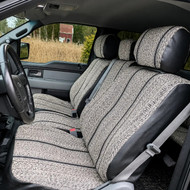
Winter work follows you into the cab. Snow melts off your jacket, muddy gloves land on the passenger seat, and grit collects where you climb behind the wheel. Repeat that routine through a full season, and factory upholstery takes a beating.
Good winter work truck seat protection starts before the first freezing morning. Clean and dry the cab, inspect the seats, and choose protective covers for the conditions your crew faces. This guide explains where Waterproof CORDURA® fits into that plan, how to check installation, and what daily care still matters. A cover can take much of the mess that would otherwise reach your upholstery, but it works best as part of a consistent maintenance routine.
Key Takeaways
- Waterproof CORDURA® suits demanding work environments with frequent dirt and moisture exposure.
- Waterproof fabric and abrasion resistance address different causes of seat damage.
- Vehicle-specific fit helps keep seat features accessible.
- Seat covers protect upholstery but do not waterproof the entire cab.
- Regular cleaning and fit checks keep winter protection working as intended.
Winter Wear Starts at the Driver’s Seat
The driver’s seat sees repeated friction as you climb in wearing heavy work clothes. Grit caught between clothing and fabric rubs against the outer bolster, the raised edge you slide across. Wet sleeves and snow-covered jackets leave moisture behind. In a shared truck, that pattern repeats with every driver change. Look closely at the entry-side cushion, lower backrest, and seat seams because those areas can collect dirt that a quick surface wipe misses.
Start winter preparation by vacuuming cushions, seams, and the floor. Remove loose sand before rubbing or wiping the surface. Check for existing tears, damp areas, exposed foam, and loose trim. Photograph any damage so you have a useful reference later. Let upholstery dry fully before fitting covers. If a seat remains damp after the truck has been parked in dry conditions, investigate the cause rather than hiding it beneath new fabric.
Keep a separate place for wet gloves and dirty equipment. Even rugged industrial seat covers benefit from keeping sharp tools and loose hardware off the cushions. Use secured storage for drill bits, fasteners, and blades. Decide which seats actually see the harshest use: a frequently occupied passenger seat may need the same attention as the driver’s seat, while an unused rear row may have different needs.
Waterproof CORDURA® Handles Moisture and Friction
ShearComfort’s Waterproof CORDURA® seat covers use genuine 500-denier fabric and are listed as waterproof, tear-resistant, and abrasion-resistant. They are slip-over protective covers that fit over existing upholstery. For someone who returns to the cab in wet work clothes, the benefit is a barrier between the mess and the original seat surface.
Waterproofing and abrasion resistance address different problems. One concerns liquid passing through material; the other concerns surface wear from repeated rubbing. Neither means a cover is indestructible. Water can still reach exposed areas around a seat, and a pointed object can concentrate force in a small spot. Blot standing liquid promptly and keep sharp items off the seat rather than testing the limits of the fabric.
If you are comparing cold weather CORDURA® covers, separate upholstery protection from winter comfort. A waterproof cover does not generate heat, and its description does not establish a minimum operating temperature or insulation rating. Ask about any performance requirement specific to your location before ordering. Expect a firm, textured feel rather than a soft lounge-seat finish; that difference matters if several crew members will use the same truck.
Match the Material to Your Workday
Heavy-duty job site vehicle protection starts with the conditions inside your truck. A paving crew, landscape contractor, and estimator may share a parking lot but bring very different amounts of dirt into their vehicles. List the main exposures before comparing materials: persistent wet clothing, gritty coveralls, occasional coffee spills, or mostly clean commuting. Use that list to choose protection for the seat’s normal workload.
You can also compare Waterproof CORDURA® Xtra-Duty seat covers, listed as a 1000-denier option. Denier describes yarn size; a higher number alone does not prove a cover will last twice as long. Review the complete product specifications and availability for your seat configuration. Ask which option suits your particular use rather than buying only by the largest number on the page.
For lighter use, Neoprene seat covers provide waterproof protection, while NeoSupreme seat covers are water-resistant. Those distinctions matter when wet clothing is a daily issue. Keep Waterproof CORDURA® as the primary choice for demanding construction and farm work. The comparison below is a use-case guide, rather than a controlled durability test or a ranking of service life.
|
Material |
Moisture protection |
Typical use |
|
Waterproof CORDURA® |
Waterproof |
Frequent wet clothing and heavy work |
|
Waterproof CORDURA® Xtra-Duty |
Waterproof |
Demanding work; compare exact specifications |
|
Neoprene |
Waterproof |
Moderate daily use and spills |
|
NeoSupreme |
Water-resistant |
Commuting and light work |
Safety, Durability, and Job-Site Requirements
Proper fit deserves as much attention as fabric selection. Confirm the truck’s year, make, model, and exact seat layout, including headrests, armrests, and split benches. Two trucks from the same model year may have different interiors. Photograph the front, sides, and controls if you are unsure of the configuration. Check the vehicle manual for any restrictions on aftermarket covers before purchasing.
ShearComfort lists airbag alterations among applicable product features. Tell the team whether your seats have side airbags and confirm the correct cover configuration. Follow the supplied installation instructions and leave airbag-related features as designed. Do not add your own stitching, straps, or repairs around an airbag opening. If the fit seems wrong, stop and ask for help before putting the truck back into regular use.
Install in a dry, well-lit space where you can reach the seat fasteners without rushing. Then check that:
- Seat belt buckles remain accessible.
- Seat adjustment controls work freely.
- Covers and straps stay clear of moving seat mechanisms.
- Headrests and folding sections operate correctly.
Treat workplace requirements as a separate purchasing check. Waterproof fabric does not establish flame resistance, chemical protection, or a particular safety certification. If your employer specifies approved materials, obtain documentation for the exact product. A seat cover also cannot make a truck compliant with every job-site rule. Keep vehicle inspections, protective equipment requirements, and load-storage procedures in their own maintenance process.
Prepare the Whole Cab for Wet Weather
People searching for waterproof work truck interiors often need more than seat protection. Water also reaches carpets, door pockets, and storage areas. Organize the cab so wet items have a defined place to drain or dry outside the seating area. If the crew repeatedly puts soaked rain gear on the rear bench, change that habit alongside installing covers. Otherwise, moisture can keep moving to uncovered surfaces.
Use correctly fitted floor mats and secure them with the vehicle’s retention system. NHTSA’s winter driving guidance warns that poorly installed mats can interfere with pedals. Empty collected slush and reinstall mats correctly after cleaning. Keep the driver’s footwell clear of bottles and loose gear. A cleaner seat is helpful, but it cannot compensate for anything that obstructs pedal movement.
Before fitting covers, address any existing leak. Check door seals and trace unexplained dampness after rain or snow. Include the truck’s mechanical winter preparation in the same service appointment: NHTSA recommends checking the battery and charging system, coolant, wipers, and defrosters. Use the vehicle manufacturer’s maintenance instructions for specifications. Keep an ice scraper, flashlight, and appropriate emergency supplies accessible without piling them on occupied seats.
ShearComfort’s waterproof seat cover collection helps you compare other moisture-protection options. Workers who also hunt or camp can review Kryptek® Waterproof Camo seat covers. That is a separate product line, so do not assume it has the same fabric as Waterproof CORDURA®. Match the material and pattern to your priorities after confirming the required fit.
Make Cleanup Part of the Shift
A short cleanup routine keeps winter grime from building up. Vacuum loose grit, blot fresh spills, and check seams and seat edges for collected moisture. Wipe only after removing abrasive debris. Keep a clean cloth in the cab, separate from rags used for tools or chemicals, so a quick wipe does not transfer oily residue onto the seat cover.
Follow the care instructions for your exact covers. ShearComfort’s seat cover care FAQs advise against machine washing and drying and allow spot cleaning before removal is needed. Confirm any cleaning product with the team if the instructions are unclear. Do not borrow a washing method from another fabric. After a larger spill, inspect underneath when needed and allow damp surfaces to dry before reinstalling the cover.
Inspect fit regularly, especially in shared trucks. Different drivers move seats throughout the week, so check straps and fasteners after adjustments. Assign the end-of-shift cleanup to a named person rather than assuming the next driver will do it. For a fleet, record damage and cleanup time during the season. Those observations help decide whether the selected material suits your operation without relying on unsupported savings estimates. Use this schedule as a starting point and increase checks when conditions are especially wet or dirty.
|
When |
Check |
Action |
|
Before winter |
Seat condition and cab leaks |
Clean, dry, repair, then fit covers |
|
Each shift |
Grit, spills, and wet gear |
Remove debris and blot moisture |
|
Weekly |
Fasteners and seat movement |
Recheck fit and clear mechanisms |
|
After a major spill |
Moisture below the cover |
Inspect and dry affected areas |
Get Your Truck Ready Before Winter Arrives
Choose protection around your actual workday: wet outerwear, repeated entry, shared vehicles, and the dirt your crew brings inside. Start with clean, dry upholstery and a verified seat configuration. Then make inspection and cleanup part of the handover between shifts. Protecting seats early is easier than working around hidden dampness or existing damage after winter is underway.
Browse ShearComfort’s truck seat covers to find options for your vehicle. For help confirming material suitability, seat configuration, or installation details, contact the ShearComfort team before ordering.
Frequently Asked Questions
Are Waterproof CORDURA® seat covers suitable for winter construction work?
Yes. Their waterproof material and resistance to abrasion suit work involving wet clothing, dirt, and repeated entry. Choose the correct configuration, keep sharp equipment off the cushions, and follow the product’s care instructions. They protect upholstery but do not replace other winter vehicle maintenance.
Do these covers make the entire truck interior waterproof?
No. They protect the covered upholstery. Floors, door seals, uncovered surfaces, and stored equipment still need separate attention. Remove standing liquid promptly and investigate moisture beneath a cover instead of assuming the whole seat assembly is sealed.
Can I use them with heated seats?
ShearComfort lists Waterproof CORDURA® as compatible with heated seats. Confirm the fit for your truck and follow the vehicle manufacturer’s instructions. These covers do not generate heat themselves. Ask separately about ventilated seats rather than assuming all heating and cooling functions behave identically.
Can I install covers over damp seats?
Let the upholstery dry fully first. Find and address the moisture source, whether wet gear, a spill, or a leak. If the seat stays damp or has a persistent odor, resolve that condition before installation. Check underneath again after any significant spill.
Will seat covers repair torn upholstery?
No. These are slip-over protective covers, not replacement upholstery. Inspect tears, exposed foam, and loose trim before fitting them. Arrange repairs where needed, particularly if damage affects seat operation or components. A cover should not conceal a fault that needs attention.