


Key Takeaways:
- Emergency vehicles have legal authority to exceed speed limits and run traffic signals to reach crisis situations quickly.
- Police squad cars are equipped with radios, special seats for suspects, and sometimes kennel compartments for police dogs.
- There's a distinction between fire engines and fire trucks—fire engines pump water while fire trucks do not.
- Ambulances function as mobile clinics where paramedics can administer medicine and first aid while transporting patients to the hospital.
- While emergency workers are always ready to help, families should create their own emergency preparedness plans ahead of time.
There are many different types of emergency vehicles that help our communities stay safe. In order to arrive quickly to where they are needed most emergency vehicles have the authority to drive faster than the speed limit or to run traffic signals. Emergency "
There are many different types of emergency vehicles that help our communities stay safe. In order to arrive quickly to where they are needed most emergency vehicles have the authority to drive faster than the speed limit or to run traffic signals. Emergency cars and trucks all have unique designs to set them apart from normal cars, that way you know that their drivers are community helpers such as paramedics and police officers. Below are some lesson plans and activities to help kids learn more about emergency workers.
Police Car
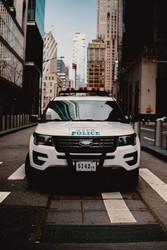
Not only do police officers help aid the public with emergencies but they also enforce the law by investigating crimes. To do this they need their police squad cars so they can arrive at the scene fast, as well as patrol the neighborhood. The flashing lights and sirens in a squad car help others know when an officer needs to drive fast to their next location. Cop cars also have other equipment such as radios to communicate with each other, special car seats for suspects, and sometimes special kennel seats for police dogs!
- Police Officer Preschool Lesson Plan
- Police Officer Activity Guide
- Police Activities for Kids
- A Day in the Life of an Officer for Teachers
Fire Truck
A firefighting apparatus is any vehicle that is designed to help put out fires. Did you know that if the vehicle pumps water it's called a fire engine? If the firefighter's vehicle does not pump water it's called a fire truck. Fire vehicles also have loud sirens and flashing lights like a police car so they can quickly transport firefighters to the scene. Many firefighters work at departments in towns or cities, but there are also some who go outside of towns to help put out forest fires. Many firefighters are taught first aid and have training to help assist with medical emergencies. Firefighting vehicles have a lot of special tools and equipment in their trucks such as ladders and high pressure hoses to help put out fires.
Ambulance
If someone is sick or injured they may need an ambulance to take them to the hospital. These trucks have their own mobile clinics on board so that paramedics can help assist the patient by providing medicine and first aid care while on the road. The paramedics that operate the ambulance are health care professionals so they are able to assist in many different emergency situations before they reach the hospital. They drive very fast too, if there is a crisis since their sirens and lights let other drivers know to pull over so they can get the patient to safety.
- Casualty Challenge Paramedic Game
- Paramedic Coloring Sheet
- Paramedic's Ambulance
- Community Helpers: Ambulance Theme
Emergency Preparedness
Emergency workers are always ready to help you if there is a crisis, but it's always good to be prepared ahead of time. Below are some tips for learning more about safety and emergency preparedness so you can make a plan with your family.
- Disaster Safety for Children
- Ready Kids
- Raising Street Smart Kids
- How to Use 911
- Safety Tips and Games
Activities for Further Learning
- Community Helpers
- Print Out Badges
- Emergency Workers Lesson Plan
- Emergency Personnel Lesson Plan
- Community Helper Projects
- Community Helper Themes
First responders push their vehicles hard every single shift—racing to emergencies, transporting patients, hauling life-saving equipment through unpredictable conditions. That kind of service demands interiors built to handle constant use. It's no different for the rest of us who rely on our trucks and SUVs daily, whether commuting to work or loading up for family adventures. Equipping your vehicle with heavy-duty car seat covers brings a bit of that first-responder readiness to everyday life—protection that performs when it matters most.
FAQs
1. Why do emergency vehicles have special lights and sirens?
Flashing lights and sirens alert other drivers to pull over and yield the right of way, allowing emergency responders to reach crisis situations quickly. Different light colors often indicate different services—red for fire trucks, blue for police, and red-white combinations for ambulances. These signals help create a clear path through traffic when seconds count.
2. What's the difference between a fire engine and a fire truck?
Fire engines carry water and have pumping capabilities to extinguish flames directly. Fire trucks transport ladders, rescue equipment, and specialized tools but don't pump water. Both vehicles serve essential roles at emergency scenes, with firefighters using whichever apparatus best suits the specific situation they encounter.
3. How do paramedics treat patients while the ambulance is moving?
Ambulances function as mobile medical units equipped with stretchers, medications, monitoring devices, defibrillators, and first aid supplies. Paramedics receive extensive training to stabilize patients during transport, administering emergency care that can mean the difference between life and death before reaching a hospital.
4. How do emergency services maintain their vehicles for constant use?
Emergency departments follow strict maintenance schedules including regular inspections, fluid changes, and equipment checks. Interiors face heavy wear from constant entry and exit, medical equipment, and demanding conditions. Many departments protect their fleet investments with durable truck seat covers designed to withstand the relentless demands of daily emergency response.
5. How can families prepare for emergencies at home?
Create a family emergency plan identifying meeting points, emergency contacts, and evacuation routes. Assemble supply kits with water, non-perishable food, flashlights, batteries, first aid items, and important documents. Teach children how and when to call 911. Regular family drills help everyone respond calmly and effectively when real emergencies occur.