


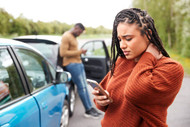
Accidents are unfortunately a risk that every driver, whether new or experienced, takes on when they get behind the wheel of a car. Despite taking all of the right precautions, from driving defensively to avoiding unnecessary distractions, accidents can and often do occur. When they do happen, they can range from minor incidents with minimal damage to major crashes that result in serious property or physical damage. While accidents may not always be preventable, it is important for every driver to be prepared for the possibility of one. Understanding what to do and what not to do may prevent complications with insurance and can help police to accurately determine fault.
Car accidents are jarring, both literally and figuratively. Immediately following a crash, the driver will likely feel a combination of emotions that may include anger, shock, fear, and even guilt if they believe they are responsible. Drivers should take a moment or two to take several deep breaths. This will help them to calm down so they are better able to deal with the situation and the other driver. In addition, this also gives them time to assess any physical injury to themselves. If there are passengers in the car, verify that they are also OK. If at fault, never drive away from the scene of the accident. A hit-and-run is a serious crime that can lead to arrest and loss of one's driving privileges.
- Keep an emergency kit that contains, among other things, a disposable camera and reflective cones or flares in the car at all times. One should always drive with a charged cell phone (which may have a camera) in the vehicle and have insurance and registration cards on hand.
- Create or print an accident checklist of what to do in the event of a car crash or accident and keep it in the glove compartment of the car.
- When a crash happens, turn on the vehicle's hazard lights and turn off the car engine.
- If it is unsafe to leave the vehicle, do not unfasten the seat belt.
- If you are blocking the flow of traffic, move the vehicle to the shoulder of the road if possible. This should only be done if state laws permit.
- If unable to move the car or if it is dark, set out the warning flares or reflective triangles to warn others that there is an accident.
- Check the driver and passengers in the other car for injuries. It may be necessary to administer first aid; however, care should be taken not to move an injured person to avoid making any injuries worse.
- Call the police, regardless of whether an accident is a minor one or a major crash. This is important, as calling the police in certain states is a legal requirement.
- Tell the 911 operator about any injuries sustained during the accident to ensure that paramedics are dispatched to the scene if necessary.
While waiting for the police, drivers will want to avoid doing anything that could indicate guilt or affect the investigation of the accident. They have a responsibility to provide the other driver or drivers with their contact information. In addition, it is important to document the scene, which means taking pictures with one's camera or cell phone. While waiting for the police to arrive, talk with anyone who may have witnessed the accident. When talking to the other driver, do not admit guilt or offer any unnecessary information to the other driver or to anyone, even the insurance agent.
- Never apologize to the other driver, as this may be taken as an admission of guilt and may have a negative impact on one's insurance claim.
- Never sign any releases or make any agreements at the scene of the crime.
- If uncertain what information to collect, check the back of your insurance ID card. Often, they will list information needed following an accident.
- When taking photos of the accident, get all angles of each car involved in order to document any damage or lack of damage. Include pictures of signs or traffic lights.
- Write down details about the other vehicles, including the license plate number and the make and model of all cars involved in the accident.
- Ask for the phone numbers, names, and addresses of any passengers in the other vehicle.
- Use a notepad to document the accident and the scene surrounding the accident. These notes should include the exact location of the accident, weather conditions, injuries, damage details, and what may have caused it to occur.
- When they arrive, ask police officers for their identifying information, such as their names and badge numbers, so that it is available for future reference if needed.
- Ask for the accident report number from the police, and inquire where a copy of the report can be obtained.
- What should I do immediately after a car accident?
- Take deep breaths to calm down, assess any physical injuries to yourself and your passengers, and ensure safety before taking further action.
- Is it necessary to call the police after an accident?
- Yes, calling the police is important for legal documentation and is required in certain states, regardless of the accident's severity.
- What information should I collect from the other driver?
- Gather their insurance details, driver's license number, phone number, registration information, and any contact information for witnesses.
- Can I admit fault to the other driver at the scene?
- No, avoid admitting guilt or apologizing, as this could negatively impact your insurance claim.
- How should I document the accident?
- Take comprehensive photos of the scene from all angles, note details about the vehicles involved, weather conditions, and the specifics of the accident.