

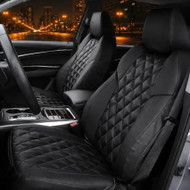
A truck that will not start can delay the first job of the day. Worn tires, poor visibility, and unresolved repairs can create bigger problems once temperatures fall. Inside the cab, wet jackets and muddy workwear bring another season of wear to your seats.
Fall gives fleet managers time to address these issues before winter disrupts the schedule. A useful fleet truck winter maintenance checklist covers mechanical readiness, driver preparation, and interior protection, with someone responsible for completing each task.
Key Takeaways
- Schedule inspections before freezing weather reaches your operating area.
- Check batteries, tires, fluids, visibility, and outstanding repairs.
- Match commercial vehicle seat protection to each truck’s workload.
- Track cleaning time and upholstery condition to assess protection costs.
- Assign inspection owners and record repairs before closing maintenance tickets.
Start With Each Truck’s Service History
Review maintenance records before booking fall service. Flag recurring starting problems, fluid leaks, tire concerns, and overdue repairs. Ask drivers what they have noticed during their routes, including slow cranking, weak defrosters, or unusual braking behavior.
Group trucks by operating conditions. A pickup visiting muddy construction sites faces different demands from a supervisor’s vehicle traveling mostly on paved roads.
Build the schedule around those differences. Record the truck number, inspection date, responsible technician, required work, and completion status. Leave enough time for follow-up repairs before cold weather arrives.
Give each open item a clear next action. A note that says “battery checked” tells the next technician less than a dated test result and a repair decision. Keep inspection findings with the vehicle record so a substitute driver or another depot can see what still needs attention. Review outstanding items before assigning the truck to a remote route.
Use a Fall Maintenance Checklist
Have qualified technicians complete mechanical checks using the vehicle manufacturer’s specifications. NHTSA’s winter guidance supports checking batteries, tires, cooling systems, visibility equipment, and emergency supplies before winter travel.
|
Checkpoint |
Fall maintenance action |
|
Battery |
Test battery condition and inspect connections. |
|
Tires |
Check cold inflation pressure, tread, and damage; assess winter tire needs. |
|
Cooling system |
Check coolant condition, leaks, and freeze protection. |
|
Visibility |
Inspect wipers, winter-rated washer fluid, lights, and defrosters. |
|
Brakes |
Review reported concerns and inspect according to the service schedule. |
|
Diesel systems |
Follow manufacturer guidance for cold-weather fuel and starting equipment. |
|
Emergency supplies |
Check blankets, flashlights, chargers, and snow-removal tools. |
|
Cab interior |
Inspect upholstery, floor mats, seat controls, and existing covers. |
Use manufacturer requirements and applicable commercial vehicle rules for service limits. A seasonal checklist should support your established inspection program.
Have the shop record battery and charging-system results rather than waiting for a no-start complaint. For coolant, verify the specification and freeze protection instead of assuming any antifreeze mix will suit every truck. Check diesel fuel preparation and starting aids against the engine manufacturer’s instructions; do not apply one additive policy across different engines.
For tires, use the vehicle’s specified cold inflation pressure, not the maximum printed on the sidewall. NHTSA recommends measuring after the vehicle has been parked for at least three hours. Check the spare as well. Tire selection should account for the route, expected loads, and winter conditions, with a tire professional resolving suitability questions.
Test visibility equipment before dispatch: washer spray, defrosting, wiper operation, and exterior lights. Include trailer lighting when a truck tows equipment. A checkbox is easier to audit when it records the defect and who corrected it. Route any unresolved concern through the fleet’s established maintenance and dispatch process.
Include Commercial Vehicle Seat Protection
Mechanical work usually takes priority, but cab condition deserves a place on the maintenance sheet.
Drivers repeatedly climb into trucks wearing wet coats, dusty clothing, and muddy work pants. Over time, that contact can stain upholstery and wear down exposed seat edges.
Commercial vehicle seat protection adds a removable layer over existing upholstery. Inspect the original seats before installation, clean them, and allow them to dry fully. Address damaged seat components through the appropriate repair process.
Check the driver’s outer seat bolster, where repeated entry and exit often concentrates contact. Photograph stains, worn fabric, and existing tears so later reviews have a useful baseline. Seat covers are slip-over protection for the upholstery already in the truck. They do not repair damaged foam, seat frames, or restraint components, and those problems need separate attention.
Browse ShearComfort’s truck seat covers by vehicle application. Confirm the seat configuration for every truck, even when several vehicles share the same model name.
Build a seat inventory alongside the vehicle inventory. Record front and rear seating, integrated belts, headrests, armrests, consoles, and seat-mounted controls. Similar-looking trucks can have different interiors because of trim levels or factory options. Confirm the correct product application and installation instructions before assigning a single configuration to an entire batch.
Match Seat Cover Materials to the Work
Durable work truck interior covers should suit the conditions drivers encounter.
For construction, farming, and frequent job-site use, Waterproof CORDURA® seat covers offer waterproof fabric with abrasion and tear resistance. They are a practical starting point for trucks exposed to repeated heavy wear.
For especially demanding applications, compare CORDURA® 1000 Denier Xtra-Duty seat covers. This material prioritizes heavy-duty protection and has a firmer feel than comfort-focused options.
Lighter-duty vehicles need a different approach. NeoSupreme seat covers provide water-resistant protection for everyday driving and light work. Neoprene seat covers provide waterproof protection for moderate daily use. Keep heavy construction applications focused on Waterproof CORDURA®.
Compare the waterproof seat cover range when moisture protection is a priority. Confirm fit and seat-feature compatibility for each application.
The comparison below is a purchasing guide based on intended use, not a laboratory ranking. A denier number describes yarn size; it does not, by itself, prove how many winters a finished cover will last. Fit, stitching, cleaning, and the way drivers use the cab also affect service life.
|
Material |
Suitable fleet use |
Moisture protection |
|
Waterproof CORDURA® |
Construction, farming, frequent heavy wear |
Waterproof |
|
CORDURA® 1000 Denier Xtra-Duty |
Especially demanding abrasion exposure |
Waterproof |
|
Neoprene |
Moderate daily use and spills |
Waterproof |
|
NeoSupreme |
Commuting and light work |
Water-resistant |
Operational Benefits and Cost Savings
Fleet managers need a clear business case for adding interior protection.
Focus on measurable outcomes: upholstery condition, cleaning labor, cover maintenance, and repair spending. Protected seats may help preserve the interior’s condition, but savings depend on vehicle use and how consistently drivers follow care procedures.
Start with a small group of comparable trucks. Photograph their seats before installation, record cleaning time, and review wear after the season. Include purchase and installation costs when comparing results.
Use comparable routes and workloads when reviewing a trial. A supervisor’s pickup and a muddy site truck will not give you a fair comparison of cleaning costs. Note mileage, driver changes, and unusual spills during the test period. Count the time spent caring for the covers as well as the time spent cleaning the original upholstery.
ShearComfort’s guide to seat protection and resale value explains why upholstery condition matters when vehicles leave service. Avoid assigning a guaranteed resale increase to seat covers.
|
Cost or outcome |
What to record |
|
Initial spending |
Cover price, installation labor, and applicable delivery costs |
|
Routine upkeep |
Cleaning minutes, labor rate, and cleaning supplies |
|
Repair spending |
Actual upholstery repairs and cover repairs or replacement |
|
Condition at review |
Dated photos of the same seat areas on comparable trucks |
For wholesale seat covers, business owners should request fleet pricing and confirm eligibility, quantities, and vehicle coverage. ShearComfort advertises wholesale pricing for commercial fleets; obtain a quote for your specific order.
For a simple labor estimate, multiply minutes saved per cleaning by the number of cleanings, divide by 60, and multiply by the hourly labor cost. For example, a hypothetical five-minute reduction over 24 cleanings equals two labor hours per truck. Multiply those hours by your own rate, then compare the result with purchase and upkeep costs. This is a budgeting example, not a promised saving.
Keep Drivers Involved Throughout Winter
The most useful fleet maintenance tips are easy to follow between scheduled services.
Ask drivers to report loose covers, damp upholstery, damaged mats, and seat-control access problems. Establish a routine for removing grit and cleaning spills according to the product’s care instructions.
Keep a small cleaning kit at the depot and make the care instructions easy to find. Remove loose grit before wiping so dirt is not repeatedly rubbed across the surface. Clean and dry damp areas promptly, and check beneath the cover if moisture may have reached the original seat. Follow the specific material’s care directions rather than using a single cleaning chemical for every cover.
Use ShearComfort’s Support Center for product guidance. Record problems early so the maintenance team can address them during planned service.
Give drivers a short handover check: confirm the seat cover is secure and that buckles, adjustment levers, and other required controls remain accessible. Check floor mats separately for correct retention and pedal clearance. Report movement or interference immediately. Seat protection is part of cab upkeep; it does not replace mechanical inspections or the driver’s normal operating checks.
Prepare Your Fleet’s Seats Before Winter
Add seat protection to your fall maintenance plan while trucks are already scheduled for inspection. Contact ShearComfort with your vehicle list and working conditions to discuss suitable materials, fit, and fleet pricing.
Frequently Asked Questions
When should fleet managers begin winter preparation?
Begin early enough to complete inspections, order parts, and resolve repairs before freezing conditions. Set timing around your operating region and route demands.
Which seat cover material suits heavy-duty fleet trucks?
Waterproof CORDURA® suits demanding work environments where moisture, dirt, and repeated abrasion are common. Consider Xtra-Duty options for especially heavy wear.
Are NeoSupreme seat covers waterproof?
No. NeoSupreme is water-resistant and suits everyday driving or light work. Choose a waterproof material when regular moisture exposure requires stronger protection.
Can one seat cover configuration fit every truck?
Do not assume so. Verify each vehicle’s year, make, model, seating layout, and seat features before ordering, including trucks within the same fleet.
How can managers measure whether seat covers are worthwhile?
Track purchase costs, installation time, cleaning labor, upholstery repairs, and seat condition. Compare similar vehicles over the same period to support future purchasing decisions.