




Key Takeaways:
- Professional reupholstery typically runs $200 to $750 per seat, with full-vehicle interior jobs reaching $1,000 to $10,000 depending on the materials chosen.
- Major cost drivers include labor rates, material quality, the number of bucket seats or bench rows being redone, and whether spring repair or seat foam work is needed.
- DIY reupholstery saves on labor but requires staple guns, sewing machines, hog rings, and the patience to learn the automotive re-upholstery process from scratch.
- Material choices range from inexpensive vinyl to high-end automotive leather, and each option affects both upfront price and long-term durability.
- Custom seat covers from ShearComfort cost a fraction of full reupholstery while protecting your existing seat foam cushions and adding years of life to your vehicle interior.
How much does it cost to reupholster car seats is one of the first questions drivers ask when they spot worn fabric, cracked panels, or sun-faded patches on the driver's side. Damaged car seats hurt comfort, lower resale value, and make every commute feel older than it should. Refreshing your car seats is a smart investment, but the price tag varies more than most owners expect.
Below, you'll find a clear breakdown of pricing, material options, DIY versus professional comparisons, and a smarter alternative that saves hundreds while still giving your interior a fresh look. With over 40 years of experience in vehicle seat upholstery, our team has helped thousands of drivers across the USA and Canada protect their seats without paying full reupholstery prices.
Cost to Reupholster Car Seats: A Breakdown of What Drives the Price
The cost to reupholster car seats depends on several moving parts: labor rates at your local upholstery shop, the price of the fabric or leather you select, the condition of your seat frame, and any spring repair or foam padding work the technician needs to complete before they can recover the seat.
A full seat reupholstery is more involved than a quick patch on a small tear. The shop pulls each seat from your vehicle, strips the old material, inspects internal components, replaces seat foam cushions where needed, repairs springs, and then fits new fabric using hog rings and staple guns. Every one of those steps adds time, and time is the largest line item on most reupholstery quotes.
Material quality is the second-largest driver. Inexpensive cloth keeps the bill down, while OEM-grade materials, automotive leather, and perforated leather push it well beyond standard pricing. Custom patterns, color combos, and factory-match covers also add labor hours because the technician has to align stitch lines and trim panels precisely. If you also want the headliner, door panels, door liners, or floor mats redone at the same time, expect a noticeably larger total. Many owners who only need a fresh look weigh this against simpler options like a custom seat cover set.
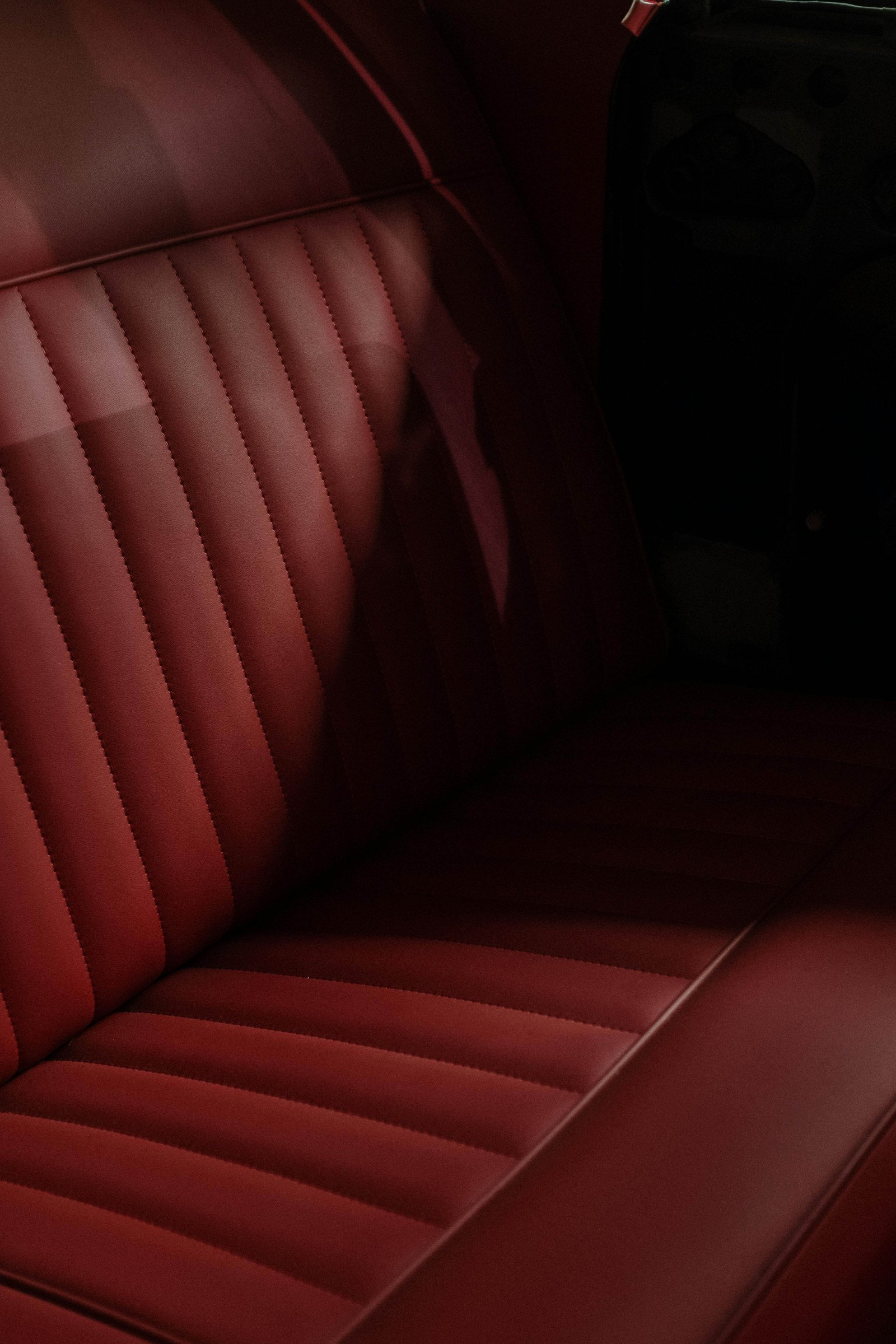
Cost to Reupholster Car Seats by Job Type and Material
Industry data and quotes from upholstery shops across North America show a fairly consistent range. Professional reupholstery typically runs $200 to $750 per seat. Doing both front bucket seats and a rear bench usually lands between $500 and $2,000. A full auto interior restoration, including dashboard cracks, vinyl tops, and headliner work, can climb past $10,000 when premium materials are chosen.
For a more realistic example, a recent quote on a mid-size sedan came in around $1,500 plus tax for a single-color front and rear job, and roughly $1,800 plus tax for a custom interior combo. Classic car restoration projects with tuck n roll detailing, period-correct stitching, and matched seat design can push that figure considerably higher. Heavy-use vehicles such as work [trucks](link) often fall on the upper end as well, since damaged seat foam, worn seat belts, and reinforced sewing add hours to the job.
Here is a quick reference of common material tiers and what they tend to add to the bill:
- Vinyl: the most affordable option, easy to clean, common in base trims
- Cloth, poly-cotton, and polyester: mid-range pricing with reasonable durability
- Velour and suede: comfortable, though more sensitive to wear
- Mesh: breathable, often used in performance-oriented seat design
- Saddle Blanket: heavy fabric with a distinct woven look
- Camo prints (Realtree, Mossy Oak, Moonshine): outdoor-focused styling
- Imitation Leather and automotive leather: higher cost, premium feel
- Sheepskin: luxury-tier comfort and temperature regulation
Location matters too. Shops in major metro areas charge higher labor rates than smaller towns, and shipping fees on specialty fabrics can quietly push the quote up. Always call two or three local shops, send photos of your seats, and ask whether their estimate covers spring repair and foam padding before you commit.
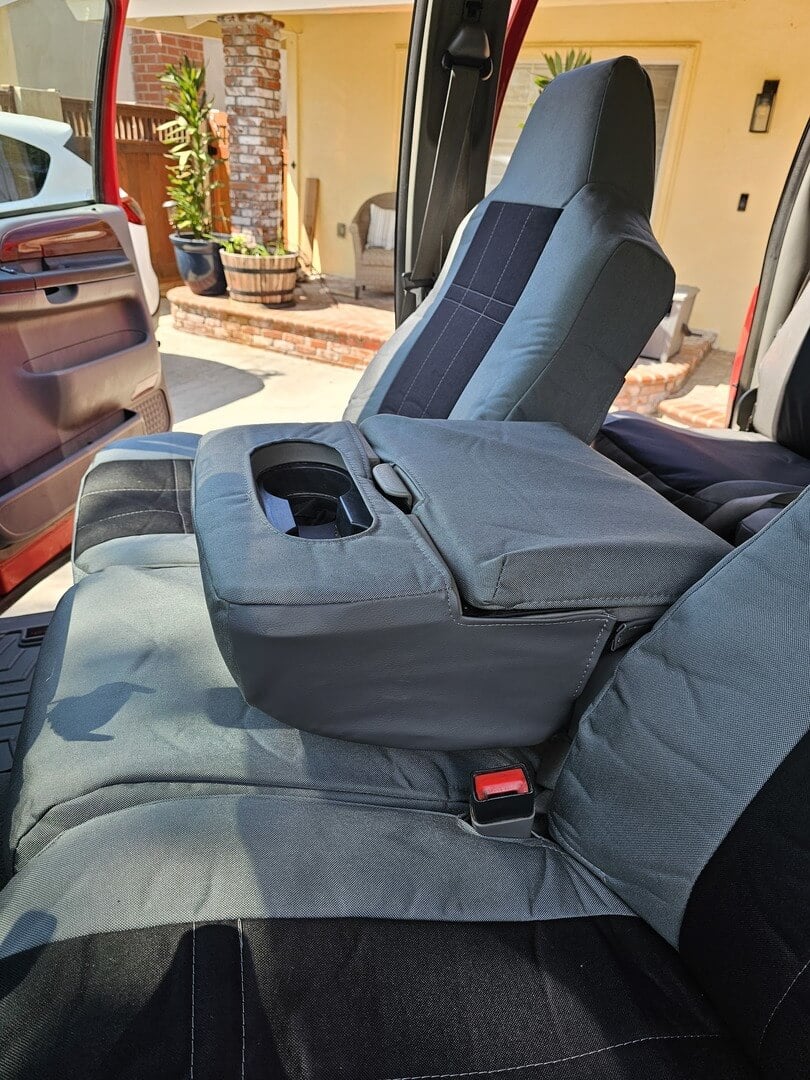
Materials Used in Vehicle Seat Upholstery
Material choice shapes both the look and the lifespan of any reupholstery job. Each option behaves differently against spills, sun exposure, and daily use, so it pays to match the material to how you actually drive.
Vinyl is the workhorse of base-model interiors. It wipes clean fast and resists most stains, but it can feel hot in summer and crack in cold climates without an upholstery cleaner and conditioning routine. Cloth blends offer more comfort at a lower cost than premium options, though they absorb spills and pet hair more readily. Velour and suede add a soft, rich feel but need careful maintenance to avoid matting and discoloration.
Heavy-duty fabrics like Waterproof CORDURA® and saddle blanket materials are popular in trucks and work vehicles. These are the go-to choices when daily use includes job sites, hauling gear, or outdoor trips. Camo prints in Realtree, Mossy Oak, and Moonshine give the same protection with a hunting-and-outdoor aesthetic.
For owners who want a refined finish, [Sof-Touch Leatherette](link) is a smart middle ground. It delivers a smooth, premium look without the price or upkeep of automotive leather. It also resists scratches better than soft natural hides, which makes it practical for families, pet owners, and rideshare drivers. Sheepskin sits at the comfort end of the spectrum, offering temperature regulation that keeps you warm in winter and cool in summer.
Pros of Doing the Work Yourself
- Cost savings, since you skip the shop's labor markup
- Customization, with full control over fabric, stitch lines, and color combos
- A real sense of accomplishment after the seats go back in
- Flexibility to work on your own schedule, weekend by weekend
Cons of DIY Car Upholstery
- Quality concerns, especially on first attempts at the automotive re-upholstery process
- A time investment that often runs longer than the YouTube tutorials suggest
- Higher risk of cutting fabric wrong, snapping a seat frame clip, or damaging seat belts
- Limited access to professional sewing machines, industrial staple guns, and OEM quality fabrics
- No warranty if the seams fail in six months
Pros of Professional Reupholstering
- Expertise built over years of car interior repair work
- Faster turnaround, often a fraction of the DIY timeline
- Access to premium suppliers, automotive leather grades, and OEM-grade materials
- Workmanship warranties on labor and materials
- Specialized equipment that produces a cleaner, factory-style finish
Cons of Hiring a Professional Shop
- Higher overall cost, sometimes by a wide margin
- Wait times at busy upholstery shops, especially for classic car restoration jobs
- Less hands-on involvement in the seat design and stitch choices
- Scheduling that depends on the shop's availability rather than yours
Custom Seat Covers as a Cost-Effective Alternative
For most everyday drivers, full seat reupholstery is more expense than the situation calls for. If your seat foam, springs, and frame are still solid and only the surface looks worn, [custom seat covers](link) deliver a fresh interior at a fraction of the price.
ShearComfort makes custom-made seat covers for your exact year, make, model, and seat configuration. Each set is cut from precise patterns and built to fit over existing upholstery, including bucket seats, bench rows, and 40/20/40 splits with a center console. They protect against spills, pet claws, sun fading, and everyday wear, so the seats underneath stay protected for years.
A few of the materials drivers reach for most often:
- Waterproof CORDURA®: heavy-duty protection for trucks, work vehicles, and pet owners who need a fully waterproof barrier
- NeoSupreme: a sporty, water-resistant fabric for daily commuters and family cars
- Neoprene: a fully waterproof option with a soft feel, suited to light pet use and daily travel
- Sof-Touch Leatherette: a premium look that resists abrasion and water without the cost of natural hides
- Sheepskin: dense Australian Merino wool for year-round comfort and pressure relief on long drives
- Camo prints: Realtree, Kryptek®, Mossy Oak, and Moonshine designs for outdoor-focused vehicles
Compared to a $1,500-plus reupholstery quote, a complete custom seat cover set protects your investment while keeping your existing seat foam cushions, factory stitching, and seat belts untouched. If you ever decide to sell the vehicle, simply remove the covers and reveal a clean factory interior underneath.