

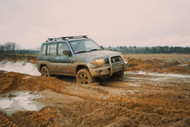
When deciding which vehicle you want for off-road adventures, all-weather driving, or rugged terrains, understanding the differences between a 4WD and an AWD vehicle is crucial. While both systems improve traction and handling, they operate in different ways, which means before you buy, you need to decide how this vehicle will fit into your lifestyle. Here is a comparison of AWD vs. 4x4 trucks:
What is a 4x4 truck?
A 4WD is built for off-road and extreme terrain. It is found in trucks and dedicated off-road SUVs. The 4WD system may be full-time or part-time. 4WD provides equal power to all four wheels, which makes it ideal for rock crawling, deep mud, and steep inclines. Many of the 4x4 vehicles on the market today feature low-range gearing, which allows for controlled power over some of the most challenging conditions. 4WD is considered the best drivetrain for off-roading.
What is an AWD truck?
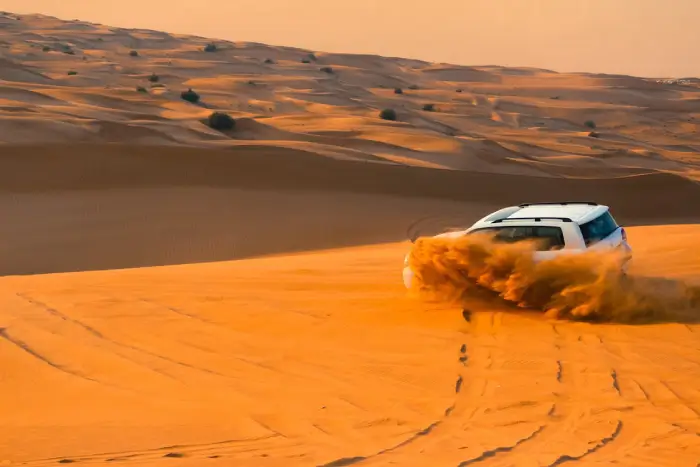
All-wheel drive (AWD) is usually found in crossovers, SUVs, and some trucks and is designed for on-road and light off-road use. The system automatically distributes power between the front and rear wheels for the best traction. AWD systems operate full-time or part-time, using sensors to detect wheel slippage and adjust power distribution as needed. This makes AWD vehicles excellent for rain, snow, and some dirt driving conditions without driver input.
Pros and cons of each system
When choosing between these two systems, it is essential to consider performance, fuel efficiency, and terrain adaptability to determine which system best fits your driving needs. Here are some pros and cons for you:
4WD
Pros
- Superior Off-road Capability – Designed to take on the toughest terrain from deep mud to rock crawling. It’s an adventure vehicle for anyone who likes to explore, as well as a good work vehicle for tough jobs like construction and farming.
- Low-Range Gearing – Control and torque are enhanced for climbing steep inclines and tackling deep wood trails.
- Durability- Since it is built for tough jobs, a 4WD vehicle is sturdy and built for towing and hauling.
Cons
- Lower Fuel Efficiency – 4WD increases fuel consumption due to added drivetrain resistance.
- Manual Engagement – This may not be true for all vehicles, but some older models require you to switch between 2WD and 4WD manually.
- Limited On-Road Use – While you can drive a 4WD on regular pavement and highways, this can create excessive wear on the tires. The newer the vehicle, the better it will be at adapting to on-road use.
Some popular 4x4 trucks for adventure include the Ford F-150 Raptor, the Toyota Tacoma, and the Toyota 4Runner. When it comes to off-road vehicle comparison, Road and Track put the 2024 Bronco at the top of the list, followed by the 2024 Jeep Wrangler and the 2024 Toyota Land Cruiser. Technically, these vehicles are SUVs, but the line gets blurred sometimes when it comes to off-road performance since they are equally capable in extreme terrains.
AWD
Pros
- Seamless Power Distribution – Automatically adjusts traction between wheels, improving stability in wet, snowy, or light off-road conditions.
- Better On-Road Performance – Provides enhanced handling and control in daily driving.
- More Fuel Efficient than a 4WD – Most AWD systems are lighter weight and more efficient than full-time 4WD.
Cons
- Not as Capable Off-Road – Lacks low-range gearing and manual control for extreme terrain.
- More Expensive Repairs – Complex electronic systems can be costly to fix.
- Slightly Higher Fuel Consumption – Still less efficient than the traditional 2WD system, but better than the 4WD.
Which one is right for you?
Choosing between 4WD and AWD depends on how and where you drive. While both systems improve the traction of the vehicle, they cater to different needs in terms of off-road capability and everyday usability.
4WD
If you frequently tackle mud, rocks, or other rough terrain, then a 4x4 system might be the best choice for you.
Best for:
- Off-road enthusiasts
- Heavy-duty towing and hauling
- Extreme terrain
AWD
If you need extra traction for wet roads, occasionally light off-road driving or snowy conditions, AWD is a better fit.
Best for:
- Daily commuters
- Drivers in rainy or snowy climates
- Occasional backcountry road trips
Protecting your interior during off-road adventures
Off-roading can be tough on your vehicle’s interior, with mud, water, and debris quickly accumulating after a day on the trail. Investing in high-quality seat covers is one of the best ways to protect your vehicle’s interior from stains, wear, and long-term damage.
Here is how seat covers provide protection:
- Waterproof and Mud Resistant – Seat covers made from neoprene, canvas, or heavy-duty polyester create a protective barrier against dirt, mud, sweat, spilled coffee, and more preventing stains and odor buildup.
- Prevents Wear and Tear – Rough conditions and frequent getting in and out of the vehicle can cause fabric and leather to wear down. Seat covers extend the life of your seats by reducing friction and damage.
- Easy to Clean –Unlike factory seats, most seat covers are machine-washable or wipeable, making them quick and easy to clean up after a day on the trails.
- Custom Fit and Comfort – Designed for specific truck and SUV models, quality seat covers provide a snug fit without slipping, meaning you stay comfortable while driving.
If you drive off-road, take your dog to the dog park, or spend time hiking and camping, seat covers are a must-have accessory. Even if you decide on an AWD and don’t do a lot of off-roading, seat covers will protect your interior from spills and the elements.
Here are some of the best truck seat covers for off-roading:
Waterproof CORDURA® Seat Covers – Extra tough, these CORDURA® seat covers are firm and textured due to their high-strength fibers and are UV protected, so they won’t fade in the sun.
Kryptek® Waterproof Camo Seat Covers – These waterproof seat covers are built to withstand wear and tear, thanks to their Denier Polyester-Nylon blend construction.
NeoSupreme Seat Covers – NeoSupreme seat covers are soft and smooth to the touch and water-resistant, so they clean up easily. They’re also breathable and comfortable to sit on.
Conclusion
When it comes to choosing between 4WD and AWD, your lifestyle may be the most important factor to consider. If you’re ready to hit the trails in Moab or test your skills in Baja, then the 4WD lifestyle may be calling you. However, if you’re looking for a family vehicle to take the kids to school or an occasional camping trip in a state park, the AWD vehicle may be a good fit. No matter which one you choose, choose to protect the interior from wear and tear with a set of seat covers.